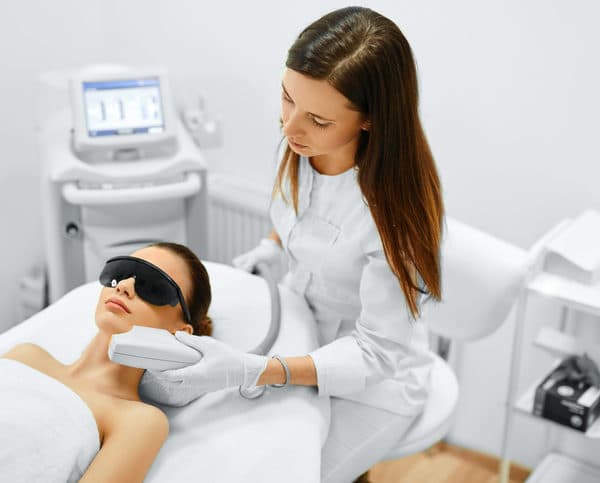
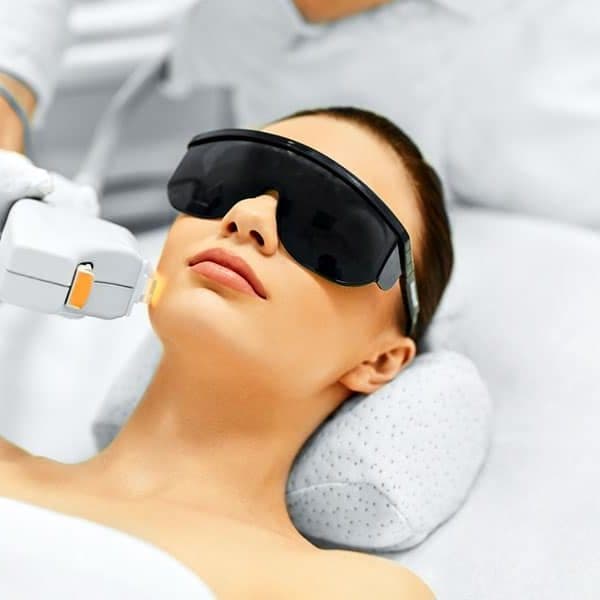
Non-invasive body contouring has become one of the most sought-after aesthetic treatments in Canada and around the world. Clients are increasingly choosing non-surgical fat reduction methods over liposuction and other invasive procedures, creating enormous demand for trained body contouring technicians. Two of the most popular technologies in this space are CoolSculpting (cryolipolysis) and ultrasonic cavitation. If you are considering a career in body contouring or looking to add these services to your existing practice, understanding the differences between these technologies is essential.
How CoolSculpting Works
CoolSculpting, also known as cryolipolysis, uses controlled cooling to freeze and destroy fat cells beneath the skin. The technology is based on the scientific principle that fat cells are more susceptible to cold temperatures than surrounding tissues. During a CoolSculpting treatment, a specialized applicator is placed on the target area, delivering precise cooling that crystallizes the fat cells. Over the following weeks and months, the body naturally processes and eliminates these damaged fat cells, resulting in a noticeable reduction in fat in the treated area.
CoolSculpting is FDA-cleared and Health Canada-approved for the treatment of visible fat bulges in areas including the abdomen, flanks, thighs, upper arms, chin, and back. Most clients require one to three treatment sessions per area, with results becoming visible within two to three months and final results appearing at around the six-month mark.
The technology requires significant equipment investment, as CoolSculpting machines are proprietary and expensive. Treatment sessions typically last 35 to 60 minutes per area, and clients may experience temporary numbness, redness, or mild discomfort during and after the procedure.
How Ultrasonic Cavitation Works
Ultrasonic cavitation uses low-frequency ultrasound waves to target and break apart fat cells beneath the skin. The ultrasound energy creates microscopic bubbles within the fat tissue, which expand and collapse, disrupting the fat cell membranes. The liquefied fat is then processed by the body's lymphatic system and naturally eliminated.
Cavitation treatments are often combined with radiofrequency (RF) therapy, which heats the deeper layers of skin to stimulate collagen production and tighten the tissue. This combination approach addresses both fat reduction and skin laxity, delivering more comprehensive body contouring results.
Treatment sessions are typically 20 to 40 minutes per area, and most clients require a series of six to twelve sessions for optimal results. The equipment is significantly more affordable than CoolSculpting machines, making cavitation an accessible option for new practitioners and clinic owners. BC Medical Clinic offers a comprehensive [Body Contouring, Cavitation, and RF course](/courses/body-contouring-cavitation-rf) that covers both technologies in depth.
Comparing Results
Both technologies deliver measurable fat reduction, but the results profile differs in important ways.
CoolSculpting typically produces more dramatic results per session, with studies showing an average fat reduction of 20 to 25 percent in the treated area after a single session. However, results take longer to appear since the body needs time to process and eliminate the frozen fat cells. The trade-off is fewer total sessions but a longer wait for visible results.
Cavitation results are more gradual and cumulative, with clients seeing incremental improvement after each session. The total fat reduction across a full treatment series can be comparable to CoolSculpting, but clients often appreciate the progressive visible improvement throughout their treatment plan. The addition of RF therapy provides skin tightening benefits that CoolSculpting alone does not offer.
Both technologies work best on clients who are close to their ideal body weight but have stubborn pockets of fat that resist diet and exercise. Neither technology is a weight loss solution. Setting proper client expectations is a critical skill for any body contouring technician.
Training Requirements
### CoolSculpting Training
CoolSculpting training is typically provided by the manufacturer (Allergan Aesthetics) or through authorized training centres. Because the technology is proprietary, training is generally device-specific and focuses on the CoolSculpting system exclusively. Training programs cover device operation, applicator selection, treatment planning, and safety protocols.
Access to CoolSculpting training often requires affiliation with a clinic that has purchased or leases CoolSculpting equipment. This can limit opportunities for independent practitioners or those just starting their careers.
### Cavitation and RF Training
Training for cavitation and radiofrequency body contouring is more widely available and accessible. Comprehensive courses cover the science behind ultrasonic cavitation and RF technology, treatment protocols for different body areas, client assessment and treatment planning, safety considerations and contraindications, combining cavitation with RF for optimal results, and business considerations including pricing and marketing.
The [Body Contouring, Cavitation, and RF course](/courses/body-contouring-cavitation-rf) at BC Medical Clinic in Coquitlam provides hands-on training with professional equipment, giving students the practical skills they need to begin offering treatments immediately after certification.
Career Opportunities in Body Contouring
The body contouring market is projected to continue its strong growth trajectory through 2026 and beyond. Career opportunities exist in several settings:
**Medical Spas and Aesthetic Clinics:** The most common employment setting for body contouring technicians. Medical spas in Vancouver, Coquitlam, and throughout the Lower Mainland are actively hiring trained professionals who can perform cavitation, RF, and other non-invasive body sculpting treatments.
**Dermatology and Cosmetic Surgery Practices:** Physicians and surgeons often employ body contouring technicians to provide non-surgical treatment options to their patients. Working in a medical setting typically offers higher compensation and exposure to a broader range of aesthetic technologies.
**Independent Practice:** Many body contouring technicians eventually establish their own practices. The relatively affordable equipment costs for cavitation and RF systems make this a viable path for entrepreneurial practitioners. Mobile body contouring services are also gaining popularity.
**Combination Roles:** Body contouring training complements other aesthetic certifications nicely. Many practitioners combine body contouring with laser treatments, facials, or other services to offer comprehensive treatment packages. This versatility makes you more valuable to employers and more attractive to clients.
Which Technology Should You Learn?
For most aspiring body contouring professionals, starting with cavitation and RF training offers the best balance of accessibility, versatility, and career opportunity. The equipment is more affordable, the training is more widely available, and the skills transfer well across different device brands and models. CoolSculpting training can be added later as you advance in your career and gain access to clinics equipped with the technology.
If you are already working in a clinic that uses CoolSculpting equipment, manufacturer training is a natural next step. However, even in that case, adding cavitation and RF skills to your repertoire broadens your treatment options and makes you a more well-rounded practitioner.
Getting Started in Body Contouring
The body contouring field offers exciting career opportunities for aesthetic professionals who are willing to invest in quality training. Whether you are drawn to CoolSculpting, cavitation, RF, or all of the above, the key to success is choosing a training program that provides both solid theoretical knowledge and extensive hands-on practice.
Explore the [cavitation services](/services/cavitation) and [cold body sculpting services](/services/cold-body-sculpting) offered at BC Medical Clinic to see these technologies in action, or learn about our [Body Contouring, Cavitation, and RF training course](/courses/body-contouring-cavitation-rf) to start your journey into this high-demand field.
Contact us today to learn about upcoming course dates and take the first step toward a career in body contouring.